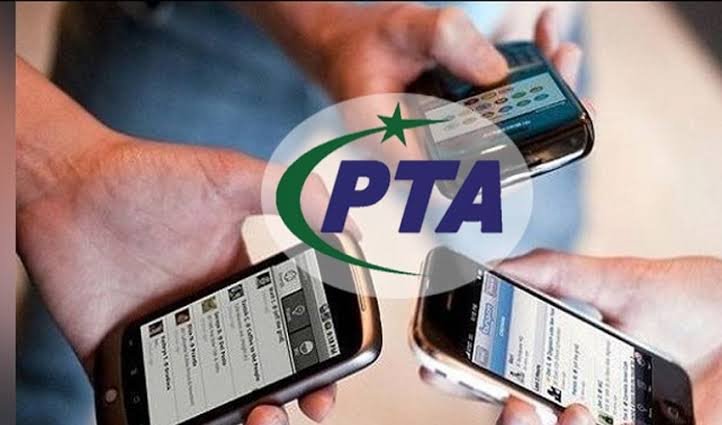
The Pakistan Telecommunication Authority (PTA) has once again emphasized the importance of responsible conduct on digital platforms, issuing a stern warning to social media users regarding the circulation of illegal, misleading, or defamatory content. In its latest public advisory released on Thursday, the regulatory body underscored that the dissemination of false or harmful information is not only unethical but also constitutes a criminal offense under Pakistani law.
The PTA referenced Section 20 of the Prevention of Electronic Crimes Act (PECA) 2016, which explicitly criminalizes the deliberate spread of content that can damage the reputation of individuals, institutions, or organizations, or violate privacy rights. According to the advisory, knowingly sharing content that is misleading, harmful, or defamatory falls squarely within the parameters of this legal provision, potentially exposing offenders to both civil and criminal liability.
The advisory urged social media users to exercise extreme caution in creating, uploading, or forwarding digital material that could be considered harmful or disruptive. The PTA emphasized that participating in discussions, sharing posts, or amplifying narratives that compromise national integrity, institutional dignity, or individual reputation could have serious consequences. The authority described responsible digital engagement as a collective civic responsibility, highlighting that online behavior has real-world implications for social cohesion, public trust, and national stability.
This advisory comes amid a backdrop of circulating rumors about internet outages, which have occasionally caused confusion among the public. On January 15, a wave of social media posts claimed that the nation was experiencing a widespread internet disruption. The PTA promptly responded to the misinformation, clarifying that no such outage had occurred and attributing any temporary service slowdowns to routine maintenance work on undersea submarine cables. The authority reassured users that overall internet services remained stable and uninterrupted despite ongoing infrastructure work.
In recent months, internet connectivity in Pakistan has been a subject of public concern, with users frequently reporting slow speeds, intermittent disruptions, and performance issues. Analysts have noted that several factors contribute to these challenges, including routine maintenance of undersea cables that carry international internet traffic, spectrum limitations in certain urban and rural areas, and security-related interventions designed to protect the network from cyber threats. These technical and regulatory constraints occasionally impact the user experience, although authorities assert that measures are in place to minimize public inconvenience.
The PTA also highlighted ongoing initiatives aimed at improving the quality and speed of internet services nationwide. In a recent development, the Economic Coordination Committee (ECC) approved the auction of the 600 MHz spectrum, a move expected to enhance broadband capabilities, reduce latency, and facilitate the rollout of 5G mobile services in Pakistan. Telecommunications experts have indicated that this spectrum allocation will significantly improve network performance, particularly in high-density urban areas, and provide the foundation for next-generation mobile and data services.
The authority’s advisory also comes in the context of Pakistan’s broader efforts to regulate online content and maintain legal oversight over digital platforms. According to reports, more than 44,000 social media accounts and individual posts were either removed or blocked between January 2023 and June 2024 under PECA-related action.
Platforms affected by these measures include major international networks such as Facebook, YouTube, and X (formerly Twitter). These actions were taken to prevent the spread of content deemed illegal, defamatory, or threatening to public order, illustrating the regulatory framework’s active role in shaping online discourse.
The PTA’s emphasis on responsible digital conduct underscores a growing awareness of the real-world consequences of online activity. In an era where information can circulate instantaneously across borders, the dissemination of misleading or harmful content can have far-reaching effects.
False narratives, malicious rumors, and defamatory material can erode public trust, damage institutional credibility, and even incite social unrest. By issuing this advisory, the PTA aims not only to enforce legal provisions but also to foster a culture of accountability among digital users, encouraging them to critically evaluate the content they share and to refrain from participating in harmful online practices.
Furthermore, the advisory reflects a recognition of the interconnected nature of Pakistan’s digital ecosystem. As social media platforms continue to expand their reach, they become central to public discourse, influencing opinions, shaping perceptions, and affecting societal dynamics. The PTA’s warnings serve as a reminder that online freedoms come with corresponding responsibilities and that users are expected to exercise judgment in alignment with national laws and ethical norms.
Experts observing the Pakistani digital landscape suggest that the enforcement of PECA provisions plays a dual role: protecting citizens from harassment, misinformation, and reputational harm, while simultaneously maintaining the integrity of national communication networks.
Legal scholars have noted that Section 20 of PECA 2016 provides a clear framework for penalizing those who intentionally spread false information that can undermine individuals, institutions, or even state authority. The PTA’s recent advisory, therefore, can be seen as part of a broader strategy to ensure that Pakistan’s digital spaces remain safe, accountable, and legally compliant.
The PTA’s latest communication to the public reinforces the necessity of vigilance and responsibility in online behavior. Users are reminded that spreading false, hateful, or misleading content is not merely a violation of ethical standards but a punishable offense under Pakistani law. At the same time, authorities continue to work on improving internet infrastructure, expanding spectrum availability, and rolling out next-generation mobile technologies, all of which are intended to enhance user experience while ensuring security, stability, and legal compliance.
By combining strict legal enforcement with ongoing technological upgrades, the PTA aims to create a digital environment that is both innovative and accountable, protecting the interests of users while maintaining the integrity of national communication systems. Social media users are encouraged to internalize these responsibilities, recognizing that responsible online conduct is essential not only for individual safety but for the well-being of the broader society.